Tempus Vitae blends Metroidvania exploration with time-bending FPS combat
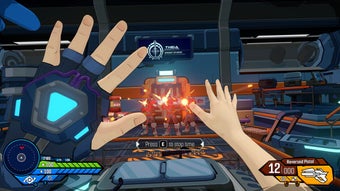
Less like BioShock and closer to Control's temporal tricks, Tempus Vitae, developed by Whiteboard Games, is an ambitious sci-fi Metroidvania first-person shooter where players take the role of Alex, a time-displaced astronaut hunting her missing brother aboard the space station Theia. The game pairs fast-paced shooting with a suite of time-manipulation powers that let players shift between 2185 and 2385, solve environmental puzzles, and access new areas through ability-based exploration. It targets fans of narrative-driven shooters and exploration-focused players who enjoy temporal puzzles and layered storytelling.
What kind of game is Tempus Vitae?
Tempus merges first-person shooting with exploration, using time powers as the central interaction loop. Combat and puzzles interlock: weapons that manipulate time serve both to neutralize foes and to alter environmental states, while temporal displacement moves the player between reachable sections of the station. The experience cycles between action, detective work through environmental storytelling, and puzzle-solving that depends on combining temporal abilities with upgraded gear.
Does it have a multiplayer mode?
Design emphasis rests on a single-player campaign that follows Alex's search for her brother Adrian across Theia's timelines. Progression is built around acquiring new tools and temporal abilities to access previously closed areas, so play prioritizes solo exploration and personal discovery. The structure favors players who value narrative pacing and solitary puzzle-solving rather than cooperative or competitive multiplayer interactions.
What does the game look and sound like?
Theia presents two contrasting epochs, one ravaged by war and the other fallen into post-apocalyptic decay, which the art direction uses to create atmosphere through environmental detail. Audio and atmosphere receive attention, as the reveal trailer earned praise for setting and mood. The first-person perspective keeps the player anchored in cramped station corridors, and lighting and sound design appear central to reading the environment and unearthing story fragments.
Is it hard to get started?
The design asks players to learn a varied temporal toolkit, so initial sessions require time investment to coordinate powers with weapons and movement. Metroidvania-style unlocks gate progression and reward exploration, which suits players who accept deliberate pacing and layered problem-solving. Replay value stems from using temporal mechanics in different ways and revisiting areas with new abilities, letting players experiment with alternate approaches to combat and environmental challenges.
Final assessment: who should play Tempus?
Tempus is a demanding, cerebral adventure best suited to players who enjoy single-player science fiction that emphasizes exploration and puzzle thinking. It rewards patience and analytical play but may test those seeking instant, twitch-focused combat or frequent social sessions. In summary, the game favors players after atmosphere, investigative pacing, and methodical problem-solving over quick-action or cooperative multiplayer experiences. Choose it if you prioritize story-led depth over pick-up-and-play immediacy.